
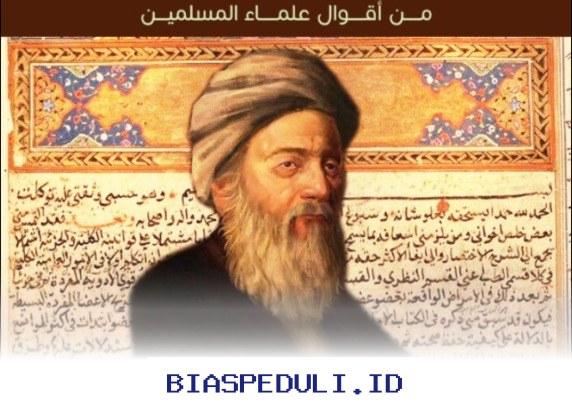
Figures in the history of medicine are numerous, but few stand as tall as Muhammad ibn Zakariya al-Razi, known in the Western world as Rhazes. Born in 865 CE in the ancient city of Rayy, near modern-day Tehran, Ar-Razi left behind a legacy that still influences medical practice today. His works were foundational in shaping early Islamic medicine and were widely studied in European universities centuries later. More than just a doctor, Ar-Razi was a polymath—chemist, philosopher, and prolific writer—whose curiosity knew no bounds.
What made Ar-Razi special wasn’t just his vast knowledge, but how he applied it. He approached medicine with a methodical mind, emphasizing observation, diagnosis, and treatment. His writings were not just theoretical; they were practical, filled with case studies and personal experiences. This approach helped elevate medical science from guesswork to something closer to what we now recognize as clinical practice. His influence extended far beyond the Islamic world, shaping the course of medicine in both the East and West.
Awal Kehidupan dan Pendidikan Ar-Razi
Ar-Razi’s journey into medicine wasn’t straightforward. He initially explored music and philosophy before turning to medicine and alchemy. This diverse background gave him a unique perspective, allowing him to blend empirical observation with philosophical reasoning. His early life in Rayy exposed him to a rich intellectual environment, where scholars from different cultures and traditions exchanged ideas freely.
His formal medical training began later in life, but his natural intelligence and relentless curiosity made up for any late start. He moved to Baghdad, the intellectual hub of the Islamic Golden Age, where he studied under prominent physicians and philosophers. This period was crucial in shaping his medical philosophy and approach to patient care.
1. Pindah ke Baghdad untuk Studi Lebih Lanjut
Baghdad was the epicenter of learning during the 9th century. It was here that Ar-Razi encountered a wealth of translated Greek, Persian, and Indian texts. The House of Wisdom, a renowned center for translation and scholarship, provided him with access to works by Hippocrates, Galen, and other classical thinkers. This exposure allowed him to build upon existing knowledge while forming his own conclusions.
2. Berguru pada Para Ahli Terkemuka
Ar-Razi didn’t just read books—he learned from people. He studied under prominent scholars like Hunayn ibn Ishaq, a master translator of Greek medical texts. These interactions helped him develop a critical mindset and a deep appreciation for empirical evidence. His teachers recognized his brilliance early on, often encouraging him to pursue independent research.
Kontribusi Utama dalam Kedokteran
Ar-Razi’s contributions to medicine are both wide-ranging and deeply influential. He is often credited with writing the first comprehensive medical encyclopedia, which became a standard reference for centuries. His approach to diagnosis was revolutionary, relying on detailed observation and patient history rather than speculation. He also pioneered the use of clinical trials and documented case studies, laying the groundwork for modern medical methodology.
3. Penulisan Ensiklopedia Medis Pertama
One of Ar-Razi’s most ambitious projects was the al-Hawi (The Comprehensive Book), a massive medical encyclopedia that compiled knowledge from various cultures and added his own observations. This work became a cornerstone of medieval medicine, used by both Islamic and European physicians. It covered everything from basic anatomy to complex treatments, making it an invaluable resource.
4. Pembedaan Penyakit Campak dan Cacar
Ar-Razi was among the first to clearly distinguish between measles and smallpox, two diseases that were often confused at the time. In his treatise al-Jadari wa al-Hasbah, he described the symptoms of each disease in detail, helping physicians make more accurate diagnoses. This work was groundbreaking and remained influential for centuries.
5. Penggunaan Alkohol sebagai Antiseptik
Long before the concept of germs was understood, Ar-Razi recognized the antiseptic properties of alcohol. He used it to clean wounds and prevent infection, a practice that would later become standard in modern medicine. His empirical approach allowed him to discover treatments that were ahead of his time.
Inovasi dalam Bedah dan Pengobatan
Surgery during Ar-Razi’s era was risky and often painful. He introduced several innovations to make procedures safer and more effective. His meticulous approach to wound care and use of catgut for sutures were major advances. He also emphasized the importance of post-operative care, understanding that healing didn’t end when the surgery was over.
6. Penggunaan Kasa dan Perban Steril
Ar-Razi was one of the first physicians to use clean bandages and gauze to cover wounds. He believed that cleanliness was essential to preventing infection, a concept that would later be formalized in antiseptic techniques. His attention to hygiene set a new standard in surgical care.
7. Pengembangan Teknik Anestesi Lokal
Though general anesthesia was not yet available, Ar-Razi experimented with local anesthetics to reduce pain during minor procedures. He used opium and other natural substances to numb specific areas, allowing for more precise and comfortable treatments.
Pemikiran Filosofis dan Etika Kedokteran
Beyond his technical skills, Ar-Razi was also a deep thinker. He wrote extensively on medical ethics, emphasizing the physician’s duty to act in the patient’s best interest. His philosophical writings explored the relationship between body and soul, and how illness affected both. He believed that healing was not just physical but also spiritual.
8. Menekankan Pentingnya Empati dalam Praktik Kedokteran
Ar-Razi believed that a good doctor must not only be skilled but also compassionate. He often reminded his peers that medicine was as much about understanding the patient as it was about treating the disease. His writings encouraged doctors to listen carefully and treat each patient as a whole person, not just a set of symptoms.
Warisan dan Pengaruh Global
Ar-Razi’s influence didn’t end with his death in 925 CE. His works were translated into Latin and became required reading in European medical schools. For centuries, his books were among the most trusted sources of medical knowledge. Even today, his methods and ideas continue to inspire modern practitioners.
9. Penerjemahan Karya-Karyanya ke Bahasa Latin
During the medieval period, many of Ar-Razi’s texts were translated into Latin, making them accessible to a broader audience. These translations played a key role in transmitting Islamic medical knowledge to Europe. Universities in places like Paris and Montpellier used his works as textbooks well into the Renaissance.
10. Penghargaan dan Pengakuan Internasional
Ar-Razi’s contributions have been recognized by institutions around the world. Medical journals, hospitals, and research centers bear his name. In Iran, his birthplace, monuments and museums celebrate his legacy. His image has even appeared on currency, a testament to his lasting impact.
Tabel Perbandingan Kontribusi Ar-Razi dengan Tokoh Medis Kontemporer
| Aspek | Ar-Razi (9th–10th Century) | Tokoh Kontemporer (21st Century) |
|---|---|---|
| Diagnosis | Berdasarkan gejala dan riwayat pasien | Didukung alat diagnostik canggih |
| Pengobatan | Menggunakan bahan alami dan observasi | Terapi molekuler dan obat sintetis |
| Etika Medis | Menekankan empati dan tanggung jawab dokter | Kode etik modern dan regulasi ketat |
| Dokumentasi | Catatan medis dan jurnal tangan | Rekam medis digital dan AI |
| Pembedaan Penyakit | Pertama membedakan campak dan cacar | Diagnostik genetik dan mikrobiologi |
Disclaimer
Informasi dalam artikel ini didasarkan pada sumber sejarah yang tersedia dan dapat berubah seiring dengan penemuan baru dalam penelitian historis dan medis. Angka dan tanggal bersifat estimasi berdasarkan penanggalan historis yang umum diterima.
Ar-Razi’s legacy is not just in the treatments he pioneered or the books he wrote. It’s in the mindset he brought to medicine—curious, compassionate, and relentlessly empirical. In a time when superstition often overshadowed science, he stood as a beacon of reason. His work reminds us that the best medicine is not just about curing disease, but about understanding humanity.